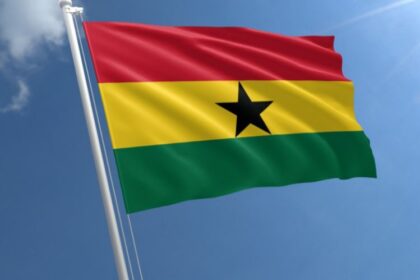





في الخامس والعشرين من مارس 2026، اعتمدت الجمعية العامة للأمم المتحدة قراراً تاريخياً تقدّمت به غانا، يُصنّف تجارة الرقيق عبر الأطلسي بوصفها أشد الجرائم ضد الإنسانية خطورةً، وذلك بأغلبية 123 صوتاً مقابل ثلاثة أصوات معارضة فقط، فيما امتنعت 52 دولة عن التصويت. وبالتالي، تناولت هذه الدراسة الأسس التاريخية لظاهرة تجارة الرقيق، من خلال تتبع قرون من الاستغلال الممنهج وتداعياته الاجتماعية والاقتصادية المتجذّرة، إلى جانب استعراض القيادة الدبلوماسية المحسوبة لغانا، والمنبثقة من عقود طويلة من النضال في سبيل تحقيق عدالة التعويضات.
وكذلك حلّلت الاعتراضات القانونية والسياسية الغربية على القرار، موضِعةً إياها في سياق النقاشات الأوسع حول الإرث الاستعماري وأوجه التفاوت العالمي. وانطلاقاً من نظريتي الواقعية والبنائية، ناقشت هذه الدراسة التحولات الجارية في موازين القوى العالمية وتنامي نفوذ دول الجنوب العالمي، وتوصلت إلى أن هذا القرار يُمثّل منعطفاً فارقاً تتشعّب منه تداعيات عميقة وبعيدة المدى على القانون الدولي، وقضايا العدالة التعويضية، والحوكمة متعددة الأطراف.
Abstract
On March 25, 2026, the United Nations General Assembly adopted Ghana’s landmark resolution designating the transatlantic slave trade as the gravest crime against humanity, passing with 123 votes in favour and only three against, while 52 nations abstained. This article examines the resolution’s historical foundations, tracing centuries of exploitation and their enduring socioeconomic consequences, alongside Ghana’s calculated diplomatic leadership rooted in decades of reparatory advocacy. It also analyses Western legal and political objections to the resolution, placing it within broader debates on colonial legacies and global inequality.
Drawing on Realist and Constructivist theoretical frameworks, this article debates shifting global power dynamics and the rising influence of the Global South. It concludes that the resolution represents a pivotal milestone with profound long-term implications for international law, reparatory justice, and multilateral governance.