





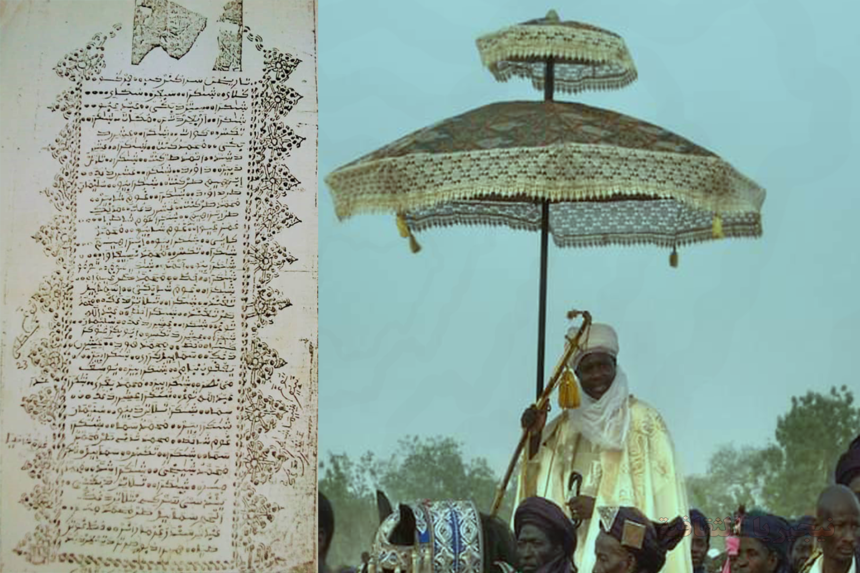
يتناول هذا المقال التطوّر التاريخي لمدينة أرغنغ (كَبّي) في شمال غرب نيجيريا، مع التركيز على المسار السياسي لمملكة كَبّي، وتسلسل ملوكها، وأهميتها التاريخية والثقافية في إطار تاريخ الهوسا والسودان الغربي. ويعتمد المقال على مصادر مكتوبة، وروايات شفوية، ومقابلات شخصية مع مؤرخي المنطقة، لتتبع جذور كَبّي منذ ارتباطها المبكر بإمبراطورية صُنغاي، مرورًا بمرحلة استقلالها السياسي وتصنيفها ضمن بانزا باكواي، وصولًا إلى احتكاكها بالخلافة الصكتوية والاستعمار البريطاني. كما يسلّط الضوء على دور محمد كَنْتَا وغيره من الملوك في ترسيخ القوة العسكرية والهوية السياسية لمملكة كَبّي وتعزيز نفوذها الإقليمي.
ويبرز البحث كذلك مهرجان أرغنغ لصيد الأسماك بوصفه مؤسسة ثقافية حيّة تجسّد الذاكرة التاريخية والتماسك الاجتماعي والتراث الإفريقي-الهوساوي، مبيّنًا كيف تؤدي المهرجانات دورًا محوريًا في حفظ الهوية وبناء الانتماء الثقافي في شمال نيجيريا. ويسهم هذا البحث في إثراء الكتابة التاريخية النيجيرية من خلال الجمع بين التاريخ السياسي والتراث الشفهي والممارسة الثقافية، مقدّمًا أرغنغ باعتبارها مركزًا مهمًا للاستمرارية التاريخية والصمود الثقافي.
Abstract
This article examines the historical development of Argungu (Kebbi) in north-western Nigeria, focusing on the political evolution of the Kebbi kingdom, the succession of its rulers, and the broader cultural and historical significance of the region within Hausa and Sudanic history. Drawing on written sources, oral traditions, and personal interviews with local historians, the study traces Kebbi’s origins from its early connections with the Songhai Empire through its emergence as an independent political entity classified among the Banza Bakwai to its encounters with the Sokoto Caliphate and British colonial rule. The article pays particular attention to Muhammad Kanta and subsequent rulers, who played a significant role in shaping Kebbi’s military strength, political identity, and regional influence.
The article also highlights the Argungu Fishing Festival as a living cultural institution that embodies historical memory, social cohesion, and Hausa-African heritage, demonstrating how festivals function as dynamic repositories of identity in Northern Nigeria. Overall, this work contributes to Nigerian historiography by integrating political history, oral tradition, and cultural practice to present Argungu as a key centre of historical continuity and cultural resilience.
الورقة الكاملة ضمن مقالات العدد 1 (يونيو 2026)، من مجلة “أفريقيات”. متوفرة هنا.